Understood. I will provide clear, concise information without using any links or icons.
Turmeric Whole (Organic)
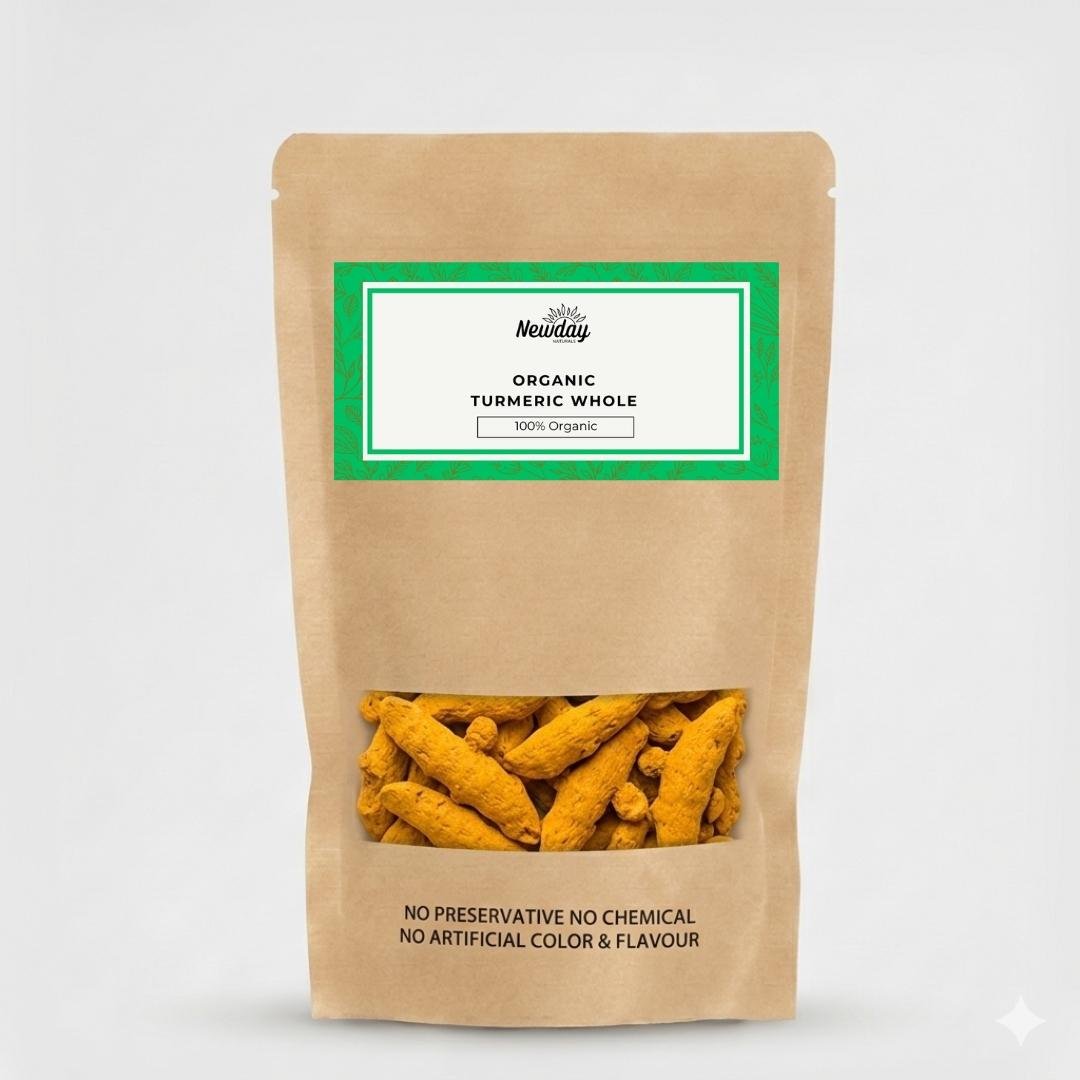
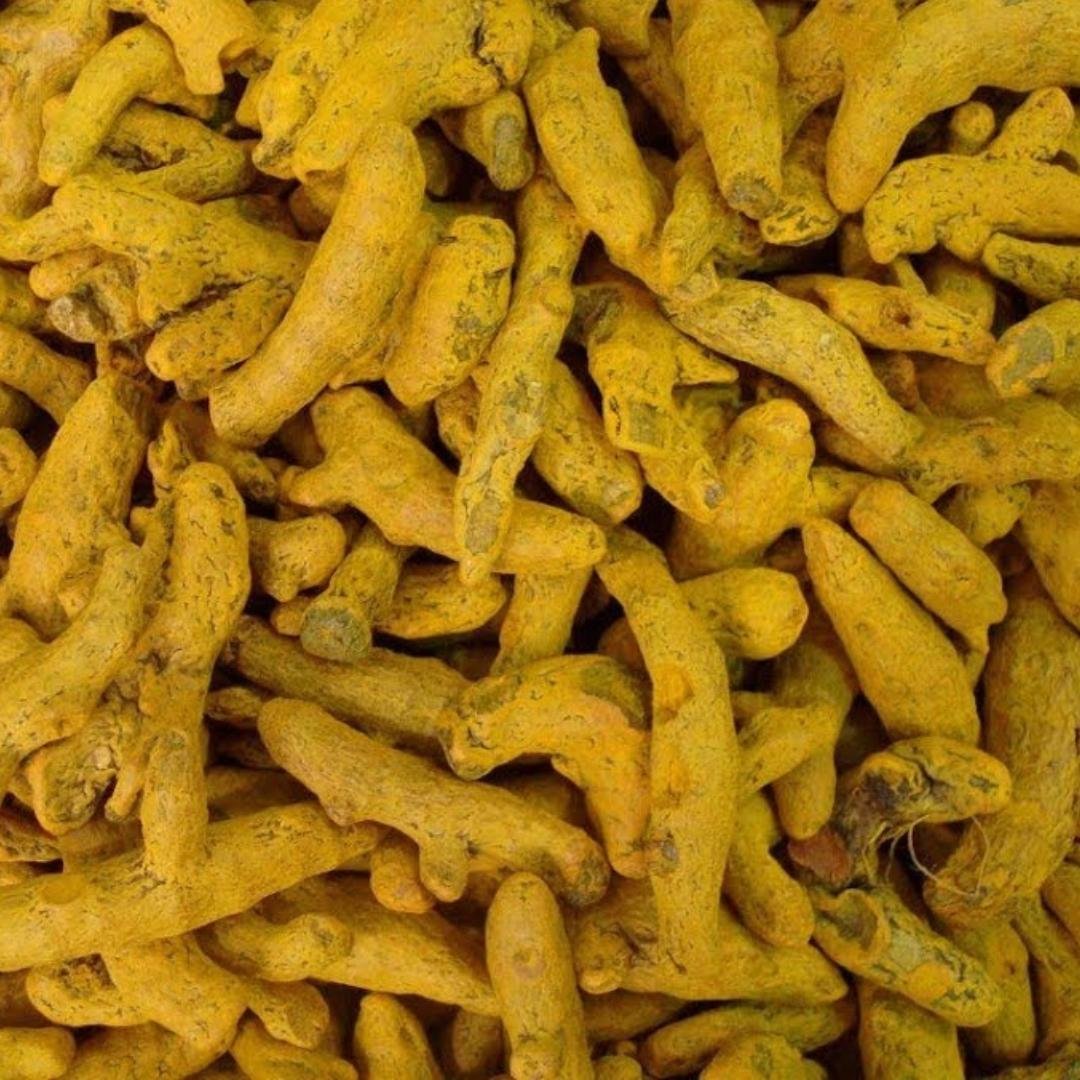
Organic whole turmeric refers to the dried rhizome of the Curcuma longa plant. Keeping the turmeric in its whole, root-like form is considered the best way to maintain its potency, as the hard exterior protects the essential oils and curcumin content from oxidizing.
Characteristics
- Appearance: The roots are knobby, finger-like, and have a light golden-brown skin. When snapped open, the inside should be a deep, vivid orange.
- Texture: Very hard and woody. It requires a fine grater, a heavy-duty spice mill, or a mortar and pestle to process.
- Aroma: Earthy, woody, and slightly citrusy. The scent is far more concentrated and "fresh" than that of pre-ground powder.
- Flavor: Slightly bitter, pungent, and warm.
Why Whole Turmeric is Superior
- Purity: Whole roots are nearly impossible to adulterate. Ground turmeric powder is sometimes mixed with starch or artificial coloring agents; whole roots guarantee you are receiving 100% natural turmeric.
- Oil Retention: Turmeric contains volatile oils (turmerones) that work with curcumin to improve health benefits. These oils are preserved much longer in the whole root than in ground form.
- Shelf Life: A whole turmeric root can stay potent for up to two years if stored in a cool, dark, and dry place, whereas powder typically loses its peak flavor and medicinal strength within six months.
Culinary and Wellness Uses
- Fresh Grating: For the most intense flavor in curries or golden milk, grate a small piece of the root directly into your dish. The flavor is brighter and more complex than store-bought powder.
- Infusions: You can simmer a piece of the whole root in hot water for 15 to 20 minutes. This creates a potent tea that is excellent for reducing inflammation.
- Stewing: Add a whole "finger" of turmeric to long-simmering bone broths or lentil soups. It will slowly infuse the liquid with its color and nutrients. Remember to remove the root before serving.
- Pickling: Whole dried turmeric is often added to jars of homemade pickles; it acts as a natural preservative and gives the vegetables a bright golden color.
Preparation Tips
- Grating: Use a fine microplane or zester. Because the roots are very hard, ensure you use a sharp tool.
- Grinding: If you have a high-powered spice grinder, you can pulse pieces of the root to create your own fresh turmeric powder.
- Storage: Always keep whole roots in an airtight container away from direct sunlight to prevent them from drying out further or losing their color.