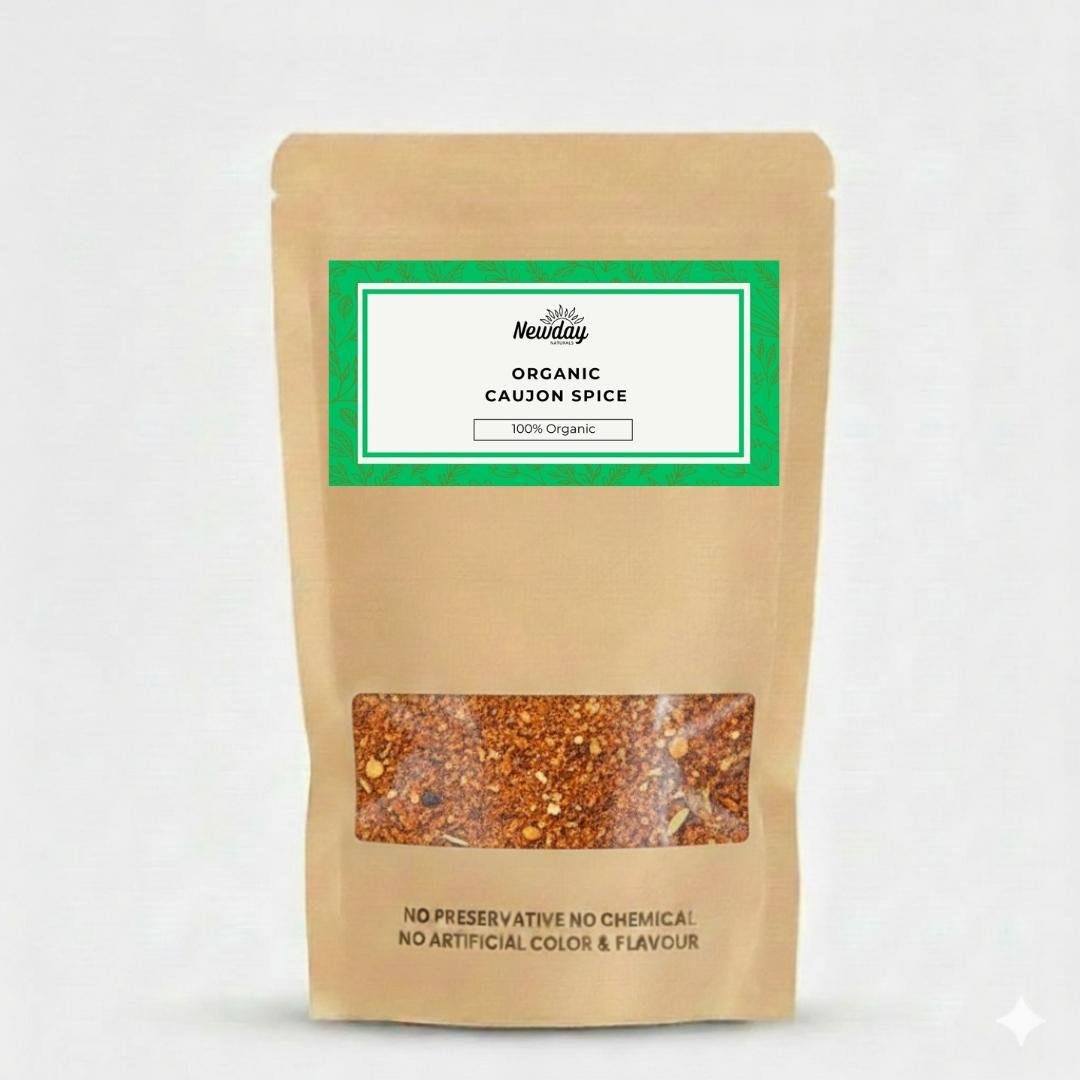
Organic Cajun Spice is a bold, rustic seasoning blend that originates from the bayous of Louisiana. It is famous for its "deep-south" profile: a complex balance of heat, earthiness, and herbal brightness. When organic, the blend is free from synthetic anti-caking agents, artificial flavors, and potentially irradiated ingredients, offering a cleaner, more robust taste.
Characteristics
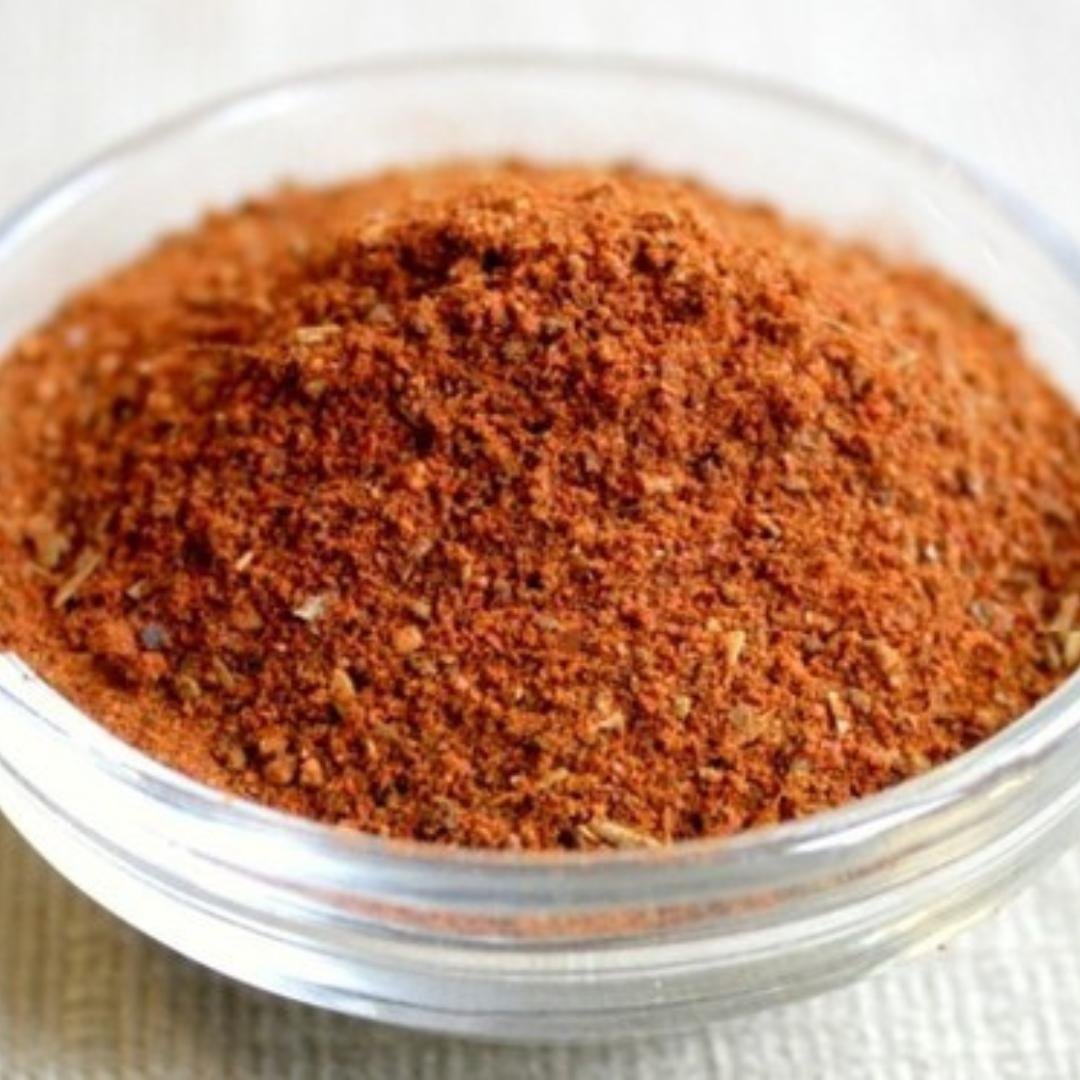
- Appearance: A coarse, reddish-brown to burnt-orange powder, often speckled with dried herbs.
- Aroma: Pungent and complex. It should smell earthy, smoky, and slightly spicy with a clear "herbal" top note.
- Flavor Profile: A "slow-burn" heat balanced by a savory, salty, and aromatic foundation. It is less about "sharp" fire and more about "warm" depth.
- Texture: Can range from fine to slightly granular, depending on whether the herbs are finely ground or left in slightly larger pieces.
The "Core" Components
Most authentic organic Cajun blends rely on this foundational ratio:
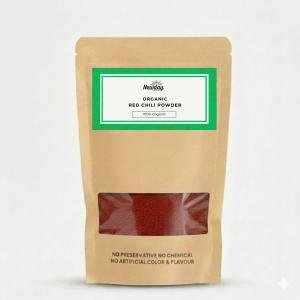
- The Heat: Paprika (sweet and smoked), cayenne pepper, and black pepper.
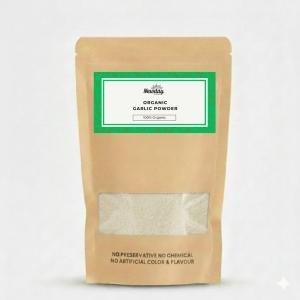
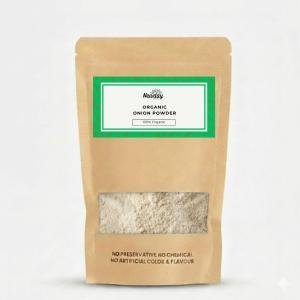
- The Earthiness: Garlic powder, onion powder, and sometimes dried thyme or oregano.
- The Backbone: High-quality sea salt (or Himalayan pink salt) and occasionally celery seed or white pepper for an extra "peppery" finish.
Culinary Uses
- Blackening: The classic method. Coat fish, chicken, or tofu in oil, generously apply the spice rub, and sear in a very hot cast-iron skillet. The spices caramelize and char, creating a dark, flavorful crust.
- Creole/Cajun Cooking: An essential addition to Gumbo, Jambalaya, and Étouffée. It provides the base flavor for the "Holy Trinity" (onions, bell peppers, and celery).
- Vegetable Roast: Toss sliced potatoes, cauliflower, or okra with olive oil and Cajun spice before roasting. The spices turn into a savory "bark" on the vegetables.
- Dip and Spread Base: Mix a teaspoon into sour cream, Greek yogurt, or mayonnaise for a spicy, vibrant dip that pairs perfectly with fried seafood or crudités.
Why "Organic" Matters
- No "Filler" Salts: Conventional blends are often 50% or more salt and cornstarch. Organic versions focus on spice density, meaning you use less to get more flavor.
- Preservation of Volatile Oils: Cajun spice relies heavily on dried herbs (thyme/oregano) and peppers. Non-organic versions are often irradiated, which kills the essential oils that provide the "herbaceous" character of the blend. Organic ensures these oils remain locked in.
- No Synthetic Additives: Many commercial Cajun seasonings use E621 (MSG) or "natural flavors" (often hidden chemicals). Organic blends achieve their savory depth through pure garlic, onion, and high-quality paprika.
Pro-Tips for Preparation & Storage
- The "Rub" Technique: If you are using it as a rub for meat, don't just sprinkle it on top. Massage the spice into the protein at least 30 minutes before cooking. This helps the salt draw the spices into the fibers of the meat.