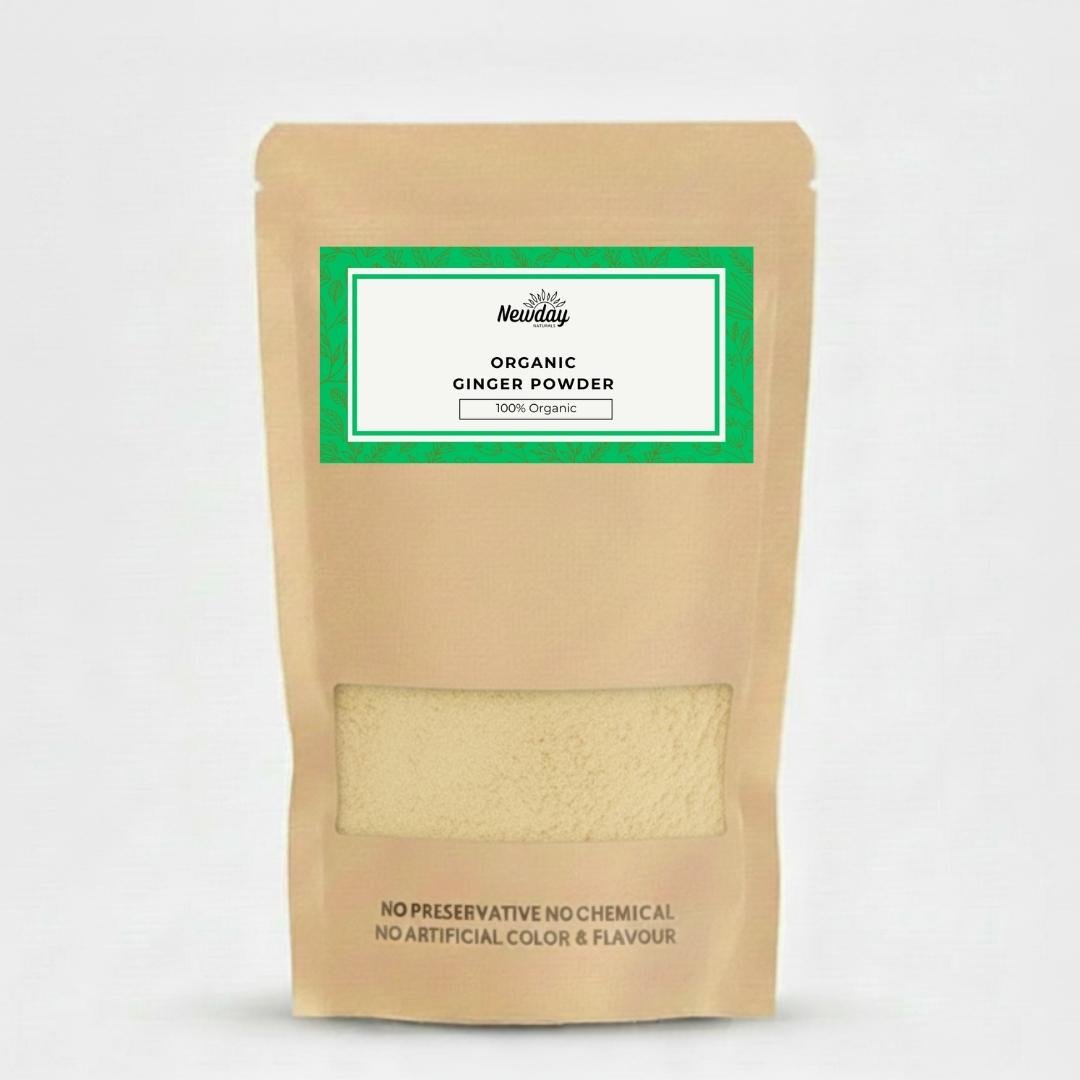
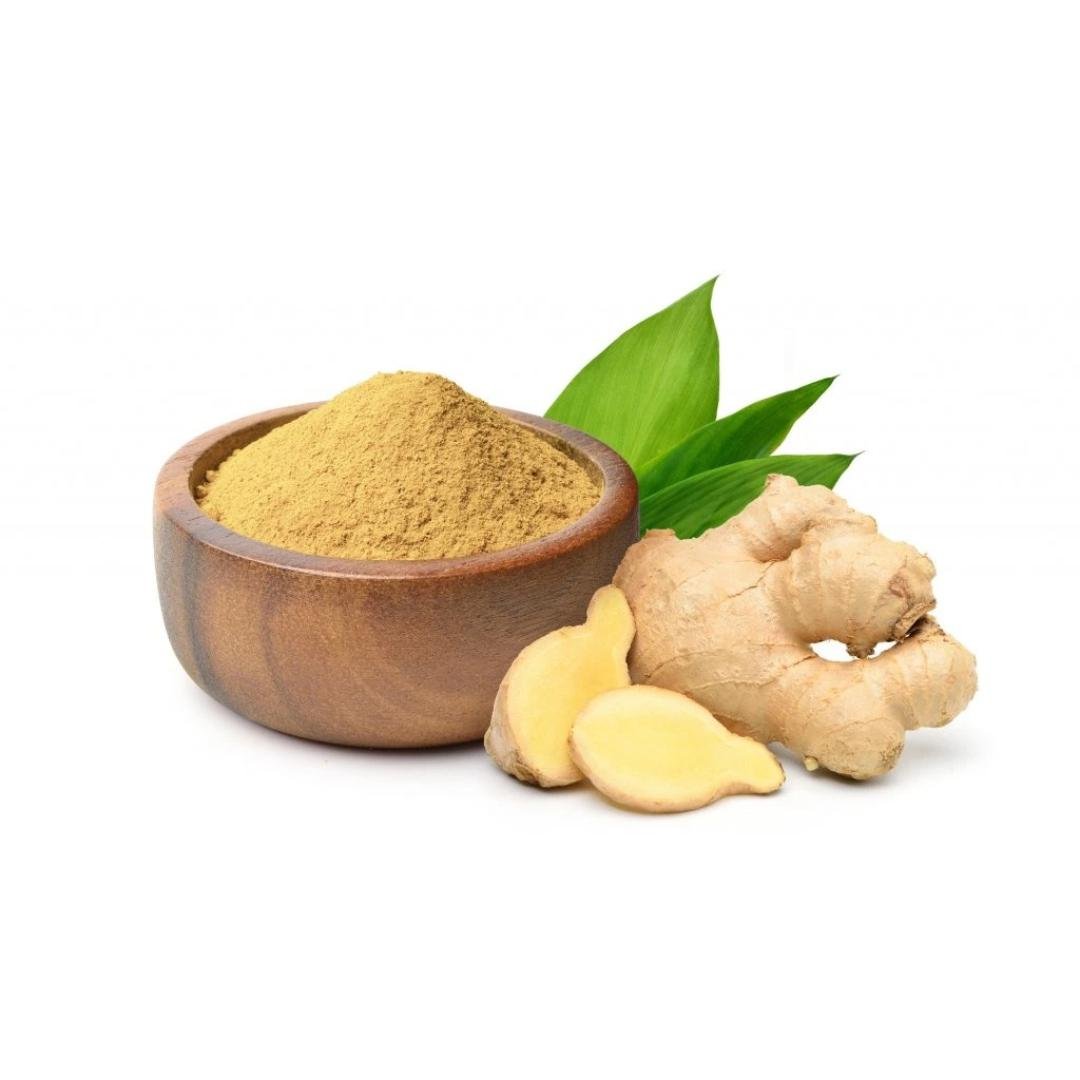
Organic Ginger Powder is a potent, shelf-stable form of the dried ginger rhizome (Zingiber officinale). While fresh ginger is famous for its juicy, sharp heat, organic ginger powder offers a more concentrated, warm, and slightly earthy flavor profile that is indispensable for baking, spice blends, and wellness tonics.
Characteristics
- Appearance: A fine, pale-yellow to light-tan powder. High-quality organic powder should have a vibrant, "fresh-milled" color. If it looks greyish or dull, it is likely old or oxidized.
- Aroma: Pungent, zesty, and warming. It has a cleaner, less "soapy" scent than lower-grade commercial versions.
- Flavor Profile: Intense, spicy heat that is more "rounded" and woody than fresh ginger. It leaves a lingering warmth in the back of the throat.
- Texture: Extremely fine. Because it is highly concentrated, it disperses easily into liquids and batters.
Culinary Uses
- Baking: A staple for gingerbread, spiced cookies, muffins, and cakes. It pairs perfectly with cinnamon, cloves, and nutmeg.
- Spice Blends: An essential component of Garam Masala, Chai Masala, curry powders, and dry rubs for roasted meats.
- Beverages: Easily dissolves into hot water, teas, or smoothies. It is the core ingredient for a quick "wellness shot" when mixed with lemon, honey, and a pinch of black pepper.
- Asian Stir-Fries: While fresh ginger is often preferred, ginger powder is excellent for sauces, glazes, and marinades where you don't want the texture of grated ginger.
Health Benefits
- Digestive Relief: Ginger is globally recognized as one of the best natural remedies for nausea, motion sickness, and morning sickness.
- Potent Anti-Inflammatory: It contains gingerols and shogaols, compounds that help reduce inflammation, muscle soreness, and joint pain.
- Cold & Flu Support: Its warming nature helps clear congestion, encourages sweating (to break a fever), and soothes a sore throat.
- Metabolism: Ginger can help increase the body's thermogenesis (heat production), which may aid in appetite control and digestion.
Why "Organic" Matters
- No Irradiation: Many non-organic spices are irradiated (exposed to radiation) to kill bacteria during processing, which can degrade the volatile oils that give ginger its flavor and health benefits. Organic certification prohibits this.
- Chemical-Free Rhizomes: Ginger is a root crop that grows underground, making it highly susceptible to absorbing pesticides from the soil. Organic ginger ensures you are not ingesting chemical residues that accumulate in the rhizome.
- Purity: Organic ginger powder is rarely cut with "fillers" like starch or sawdust, which are sometimes used in mass-market spice production to increase volume.
Pro-Tips for Usage and Storage
- The "Concentration" Ratio: Ginger powder is significantly stronger than fresh ginger. A general rule of thumb is 1/4 teaspoon of powder = 1 tablespoon of freshly grated ginger.
- The "Bloom": If using it in a curry or stew, add the powder to your hot oil/ghee for 20–30 seconds. This releases the essential oils and softens the sharpness.
- Storage: Ginger powder is highly sensitive to moisture and light. Store it in a small, airtight glass jar in a dark cupboard. If it sits on your counter near the stove, the heat and humidity will cause it to clump and lose its spicy "bite" within weeks.