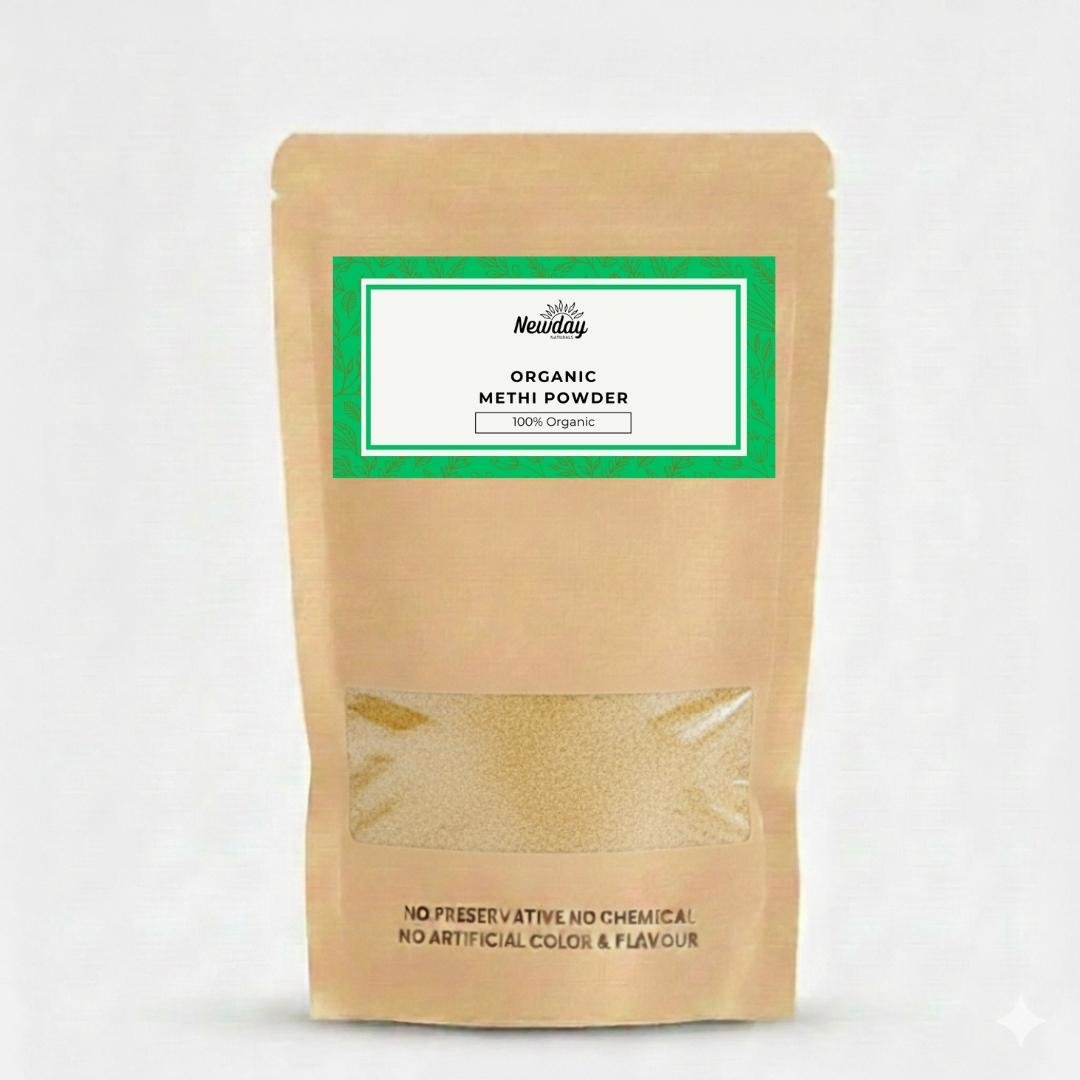
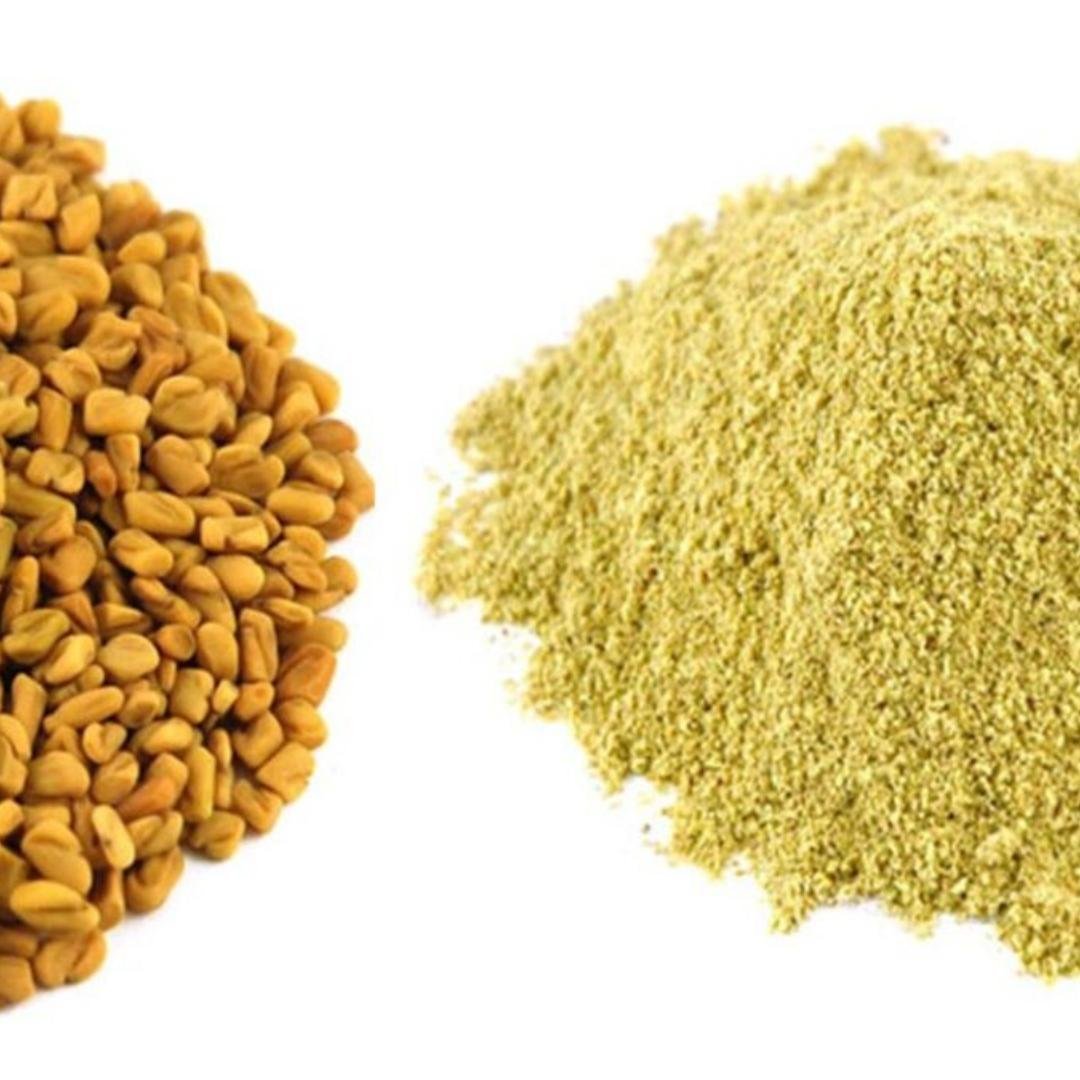
Methi seeds are small, stony, and golden-amber. When ground into a fine powder, they release a potent scent often compared to maple syrup or burnt sugar. However, its flavor is decidedly savory and complexly bitter. It is a "transformative" spice: when used raw, it is quite bitter, but when cooked, it mellows into a rich, nutty, and savory sweetness.
Characteristics
- Appearance: A dull, sandy-yellow to light-brown fine powder.
- Flavor Profile: Distinctly bitter, nutty, and earthy. It has a high concentration of sotolon, the chemical compound that gives it its signature maple syrup fragrance.
- Texture: Fine and slightly dense. Because of its high fiber and mucilage content, it can act as a natural thickener in sauces and gravies.
Health Benefits
Methi powder is arguably one of the most studied spices for its medicinal properties:
- Blood Sugar Management: It is widely used to improve insulin sensitivity and lower blood glucose levels, making it a staple for managing diabetes naturally.
- Digestive Support: High in fiber and mucilage, it helps soothe the digestive tract, relieves constipation, and reduces acid reflux.
- Cholesterol Control: Studies suggest it can help lower "bad" LDL cholesterol and triglycerides.
- Lactation Support: Traditionally used as a galactagogue to help increase milk supply in breastfeeding mothers.
- Hair & Skin Care: When made into a paste, it is a legendary remedy for dandruff, hair fall, and glowing skin.
Culinary Uses
- Curry Bases: It is a critical ingredient in Sambar powder and many curry blends, providing the "umami" that balances heat and acidity.
- Bread & Dough: Add a teaspoon to paratha dough or homemade savory bread for a nutty, aromatic lift.
- Pickling Spice: An essential component in mango and lime pickles, acting as both a preservative and a flavor enhancer.
- Dry Rubs: Mix with garlic and chili powder for a sophisticated rub on roasted meats or hardy vegetables like cauliflower.
- Butter Chicken / Tikka Masala: While dried leaves (Kasoori Methi) are used for garnishing, a pinch of the powder in the sauce provides a deep, restaurant-quality background flavor.
Why "Triple-Milled" Premium Methi Matters
When buying Methi powder, the quality of the grind and the age of the seeds are vital:
- Bitterness Balance: Lower-quality powders can be overly bitter if the seeds weren't properly cleaned or if they were ground with too much friction/heat. Premium powder is ground slowly to preserve the essential oils.
- Aroma Intensity: Open the jar—if you don't instantly smell "maple syrup," the powder is old and has lost its medicinal potency.
- Purity: Ensure there are no added starches or fillers. Pure Methi powder has a natural "stickiness" when mixed with water due to its mucilage content.
Pro-Tips for Usage
- The "Pinch" Rule: Methi powder is very strong. Start with a 1/4 teaspoon for a large pot of food. Too much can make the entire dish unpleasantly bitter.
- Toast It: If your recipe allows, lightly sauté the powder in a little oil or ghee for 30 seconds before adding liquids. This "blooms" the spice and softens the bitterness into a nutty sweetness.
- The Wellness Shot: For blood sugar support, many people mix 1/2 tsp of Methi powder in a glass of warm water and drink it first thing in the morning.