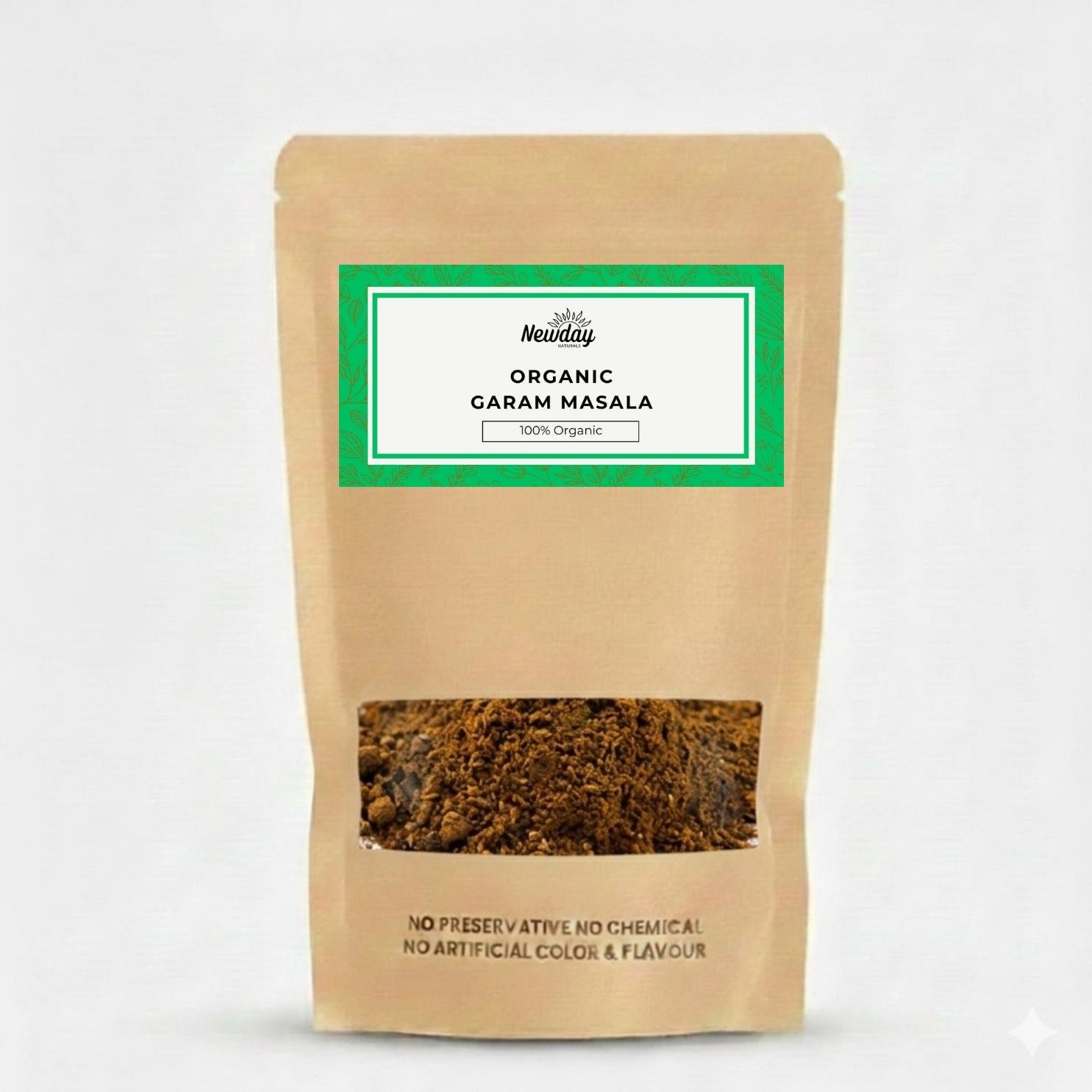
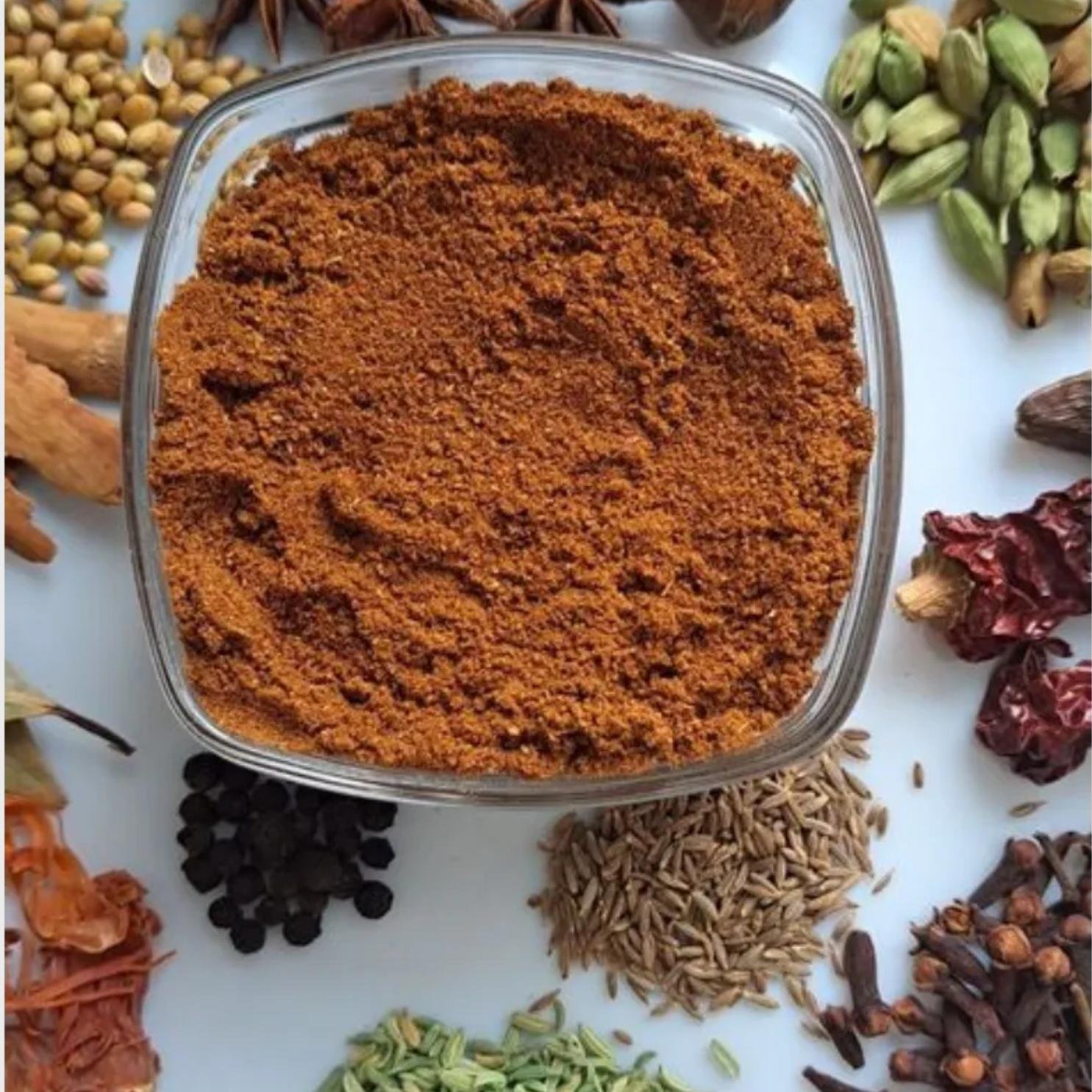
Garam Masala is not a single spice but a curated blend of anywhere from 5 to 30 different ingredients. In traditional households, it is the "signature" of the cook—every family has a slightly different ratio. The spices are typically dry-roasted (to release their volatile oils) and then ground into a fine, dark-tan powder.
The "Core" Ingredients
While recipes vary by region, a Premium Garam Masala usually centers on these "Big Five" aromatics:
- Green & Black Cardamom: For a sweet, floral, and smoky top note.
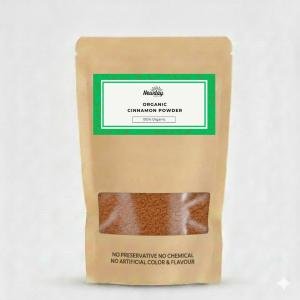
- Cinnamon (or Cassia): Provides a woody sweetness and foundational warmth.
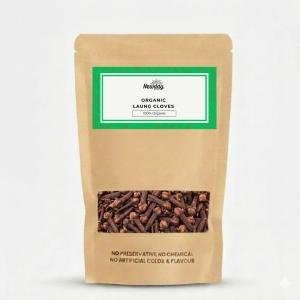
- Cloves: Adds a pungent, intense, and slightly medicinal depth.
- Cumin Seeds: Earthy, nutty, and savory.
- Black Peppercorns: Provides a mild, lingering back-of-the-throat heat.
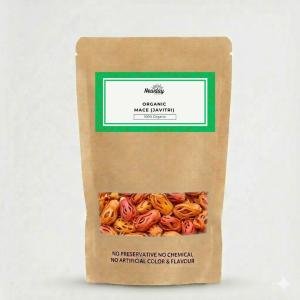
- Extra "Luxury" Additions: Premium blends often include Mace, Nutmeg, Star Anise, and Shahi Jeera (Caraway) for a more sophisticated, "royal" aroma.
Characteristics
- Appearance: A rich, dark-brown or mahogany-colored powder.
- Flavor Profile: Intense, complex, and "warm." It tastes sweet-savory with hints of citrus, wood, and earth.
- Aroma: Powerful and instantly recognizable. A fresh Garam Masala should smell like a concentrated, spicy perfume that lingers in the air.
Benefits
Beyond its flavor, the spices in Garam Masala are chosen for their Ayurvedic "warming" properties:
- Digestive Fire (Agni): It stimulates the secretion of gastric juices, making it easier for the body to process heavy grains and meats.
- Metabolic Support: Spices like pepper and cloves are thermogenic, helping to gently raise body temperature.
- Anti-Inflammatory: The combination of cloves, cinnamon, and cardamom provides a high dose of antioxidants.
- Blood Sugar Regulation: Cinnamon and cloves have been linked to better insulin sensitivity.
How to Use It Like a Pro
The biggest mistake people make with Garam Masala is treating it like a base spice. Here is how to use it correctly:
- The "Finishing" Touch: Unlike turmeric or chili powder, which are cooked for a long time, Garam Masala is best added in the last 2–5 minutes of cooking. This preserves the delicate, floral aromas that high heat would otherwise destroy.
- The "Tarka" (Tempering): For lentils (Dal), you can sizzle a pinch of Garam Masala in a spoonful of hot Ghee right before pouring it over the dish.
- Meat Rubs: Mix it with yogurt, ginger, and garlic to create a deeply aromatic marinade for tandoori-style chicken or lamb.
- Vegetable Roast: Toss potatoes or roasted carrots in a light dusting of the spice for a sophisticated, earthy finish.
- Savory Baking: A tiny pinch in savory breads or biscuits adds a surprising, exotic depth.
Why "Hand-Ground & Small Batch" Matters
When shopping for Garam Masala, the "commercial" versions often use too much cheap coriander and cumin filler. Premium Garam Masala stands out because:
- High "Expensive Spice" Ratio: It contains more cardamom, mace, and cloves than the cheaper brands.
- Small-Batch Grinding: Spices lose their potency within weeks of being ground. Premium blends are ground in small quantities to ensure the "punch" is still there when you open the jar.
- No Fillers: It should contain no added salt, starches, or anti-caking agents—just 100% pure, roasted spices.
Pro-Tip for Freshness
If you have a jar of Garam Masala that is more than 6 months old, it has likely lost its magic. To test it: rub a little between your palms. If the smell is faint or "dusty," it’s time to replace it. To keep it fresh, always store it in an airtight glass jar in a dark, cool cupboard.