True Cinnamon: Ceylon (The "Roll of Silk")
If you are looking for the absolute premium, Ceylon Cinnamon (Cinnamomum verum) is the only choice. Native to Sri Lanka, it is vastly different from the common Cassia sold in most shops.
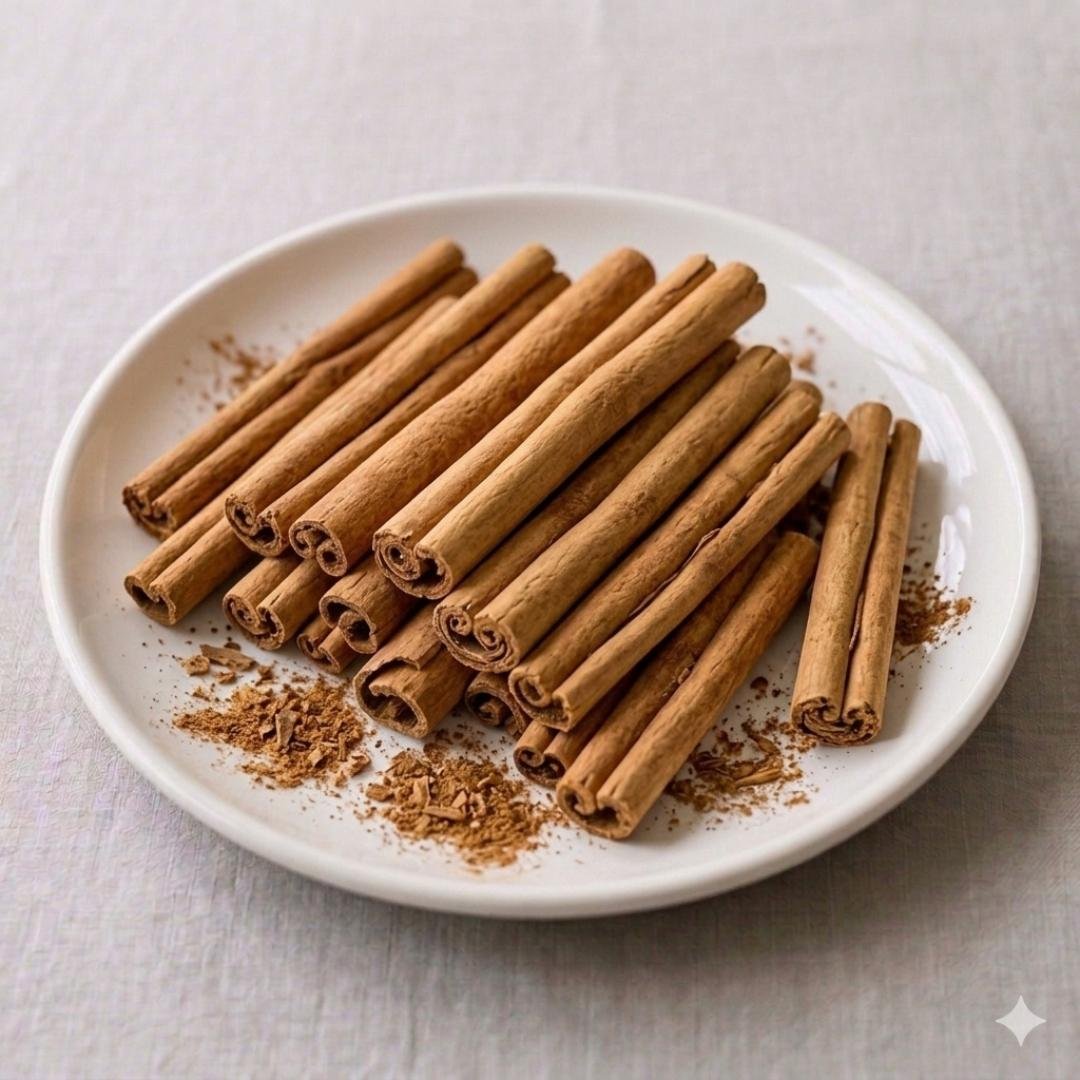
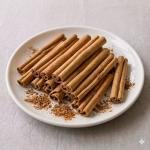
- Appearance: Looks like a multi-layered cigar. Because the bark is so thin, it is rolled into tight, delicate, parchment-like quills that shatter easily.
- Flavor Profile: Sophisticated, floral, citrusy, and sweet. It has a "light" and elegant aroma that doesn't overwhelm a dish.
- Health Note: Ceylon contains negligible amounts of coumarin, a compound that can be harmful to the liver in large doses (which is found in high concentrations in common Cassia).
- Culinary Use: Best for delicate desserts, fine pastries, herbal teas, and fruit dishes where you want an aromatic "whisper" of spice rather than a punch.
Robust Cinnamon: Indonesian or Vietnamese (Cassia)
This is the "classic" intense cinnamon flavor found in most spice cabinets. While cheaper, high-grade Saigon Cinnamon (Cinnamomum loureiroi) is considered premium for its sheer intensity.
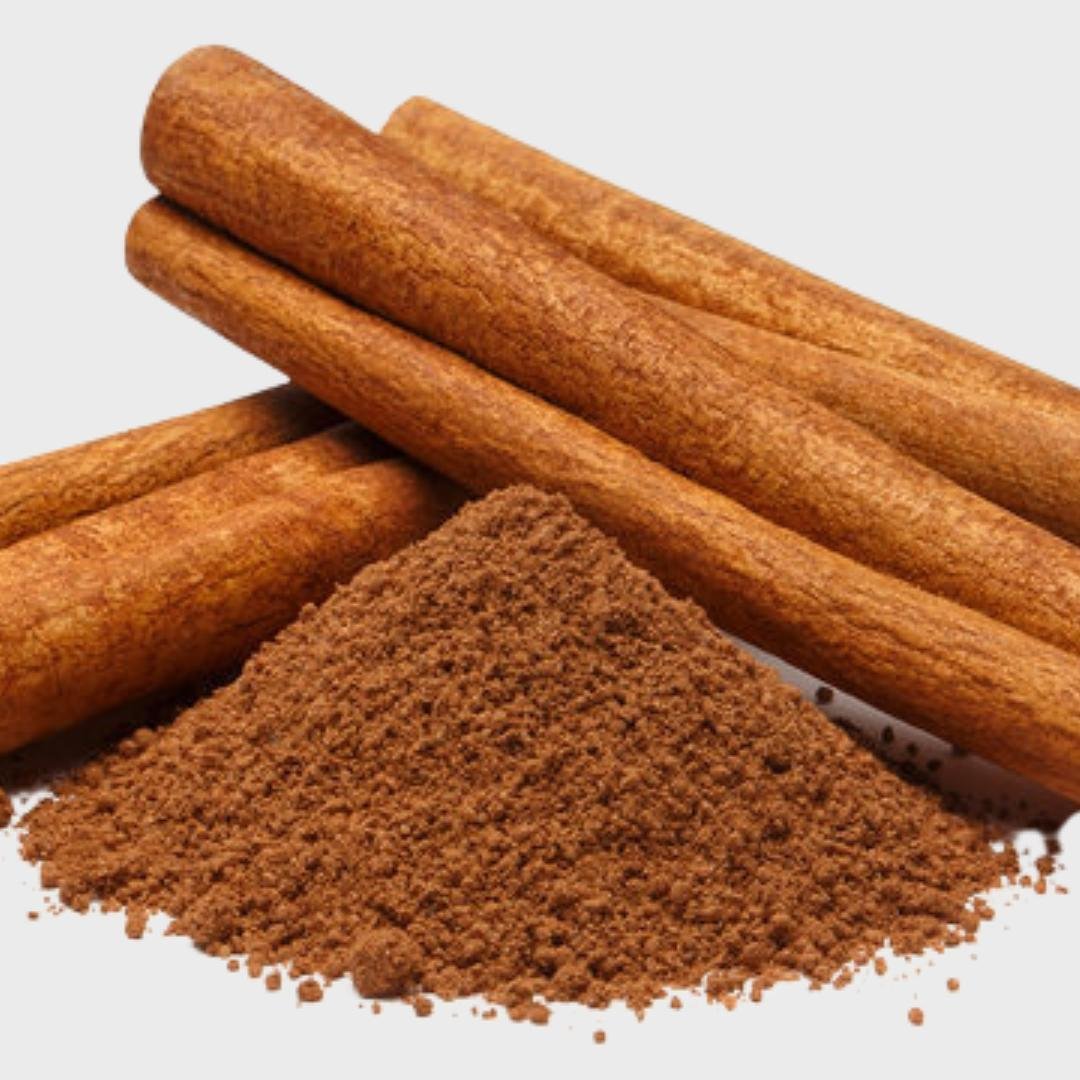
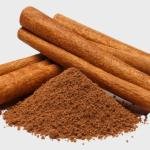
- Appearance: Thick, hard, dark reddish-brown bark. It is tough to break and often sold as singular, thick tubes.
- Flavor Profile: Bold, spicy, woody, and intensely "cinnamon-y." It has a high concentration of cinnamaldehyde, giving it a spicy-hot kick.
- Culinary Use: Ideal for heavy-duty baking (cinnamon rolls, cookies), savory curries, stews, and spice rubs where you need the flavor to stand up to sugar, fat, and heat.
How to Judge Quality
When buying premium cinnamon, look for these signs:
- Oil Content: Quality cinnamon should be aromatic. If you break a quill and it doesn't smell intensely fragrant, the volatile oils have evaporated.
- Uniformity: Premium sticks are graded by color and thickness. A uniform, light-tan color (for Ceylon) or deep-red (for Saigon) indicates a premium harvest.
- No "Dust": Always prefer sticks over powder if you can grind them yourself. Pre-ground cinnamon loses its essential oils rapidly once exposed to air.
Pro-Tips for Using Premium Cinnamon
- The "Dry-Toast" Method: Before grinding your cinnamon sticks, place them in a dry, heavy-bottomed pan over low heat for 30–60 seconds. This "wakes up" the essential oils and makes your kitchen smell incredible.
- Storage: Store sticks in an airtight glass jar away from sunlight and heat. Do not store cinnamon in a clear plastic bag; the oils will degrade quickly.
- Fresh Grinding: Use a dedicated spice grinder or a high-quality microplane grater to grate fresh cinnamon directly into your coffee, oatmeal, or baking batter. The difference in freshness is night and day.
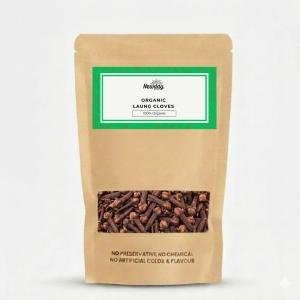
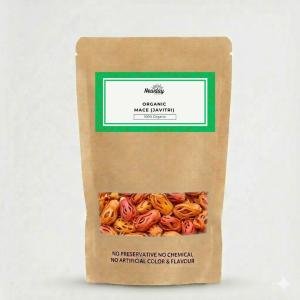
- Pairing: Pair Ceylon cinnamon with cardamom and star anise for a sophisticated tea, or pair Saigon cinnamon with cloves and nutmeg for a classic holiday bake.