Shop by Department

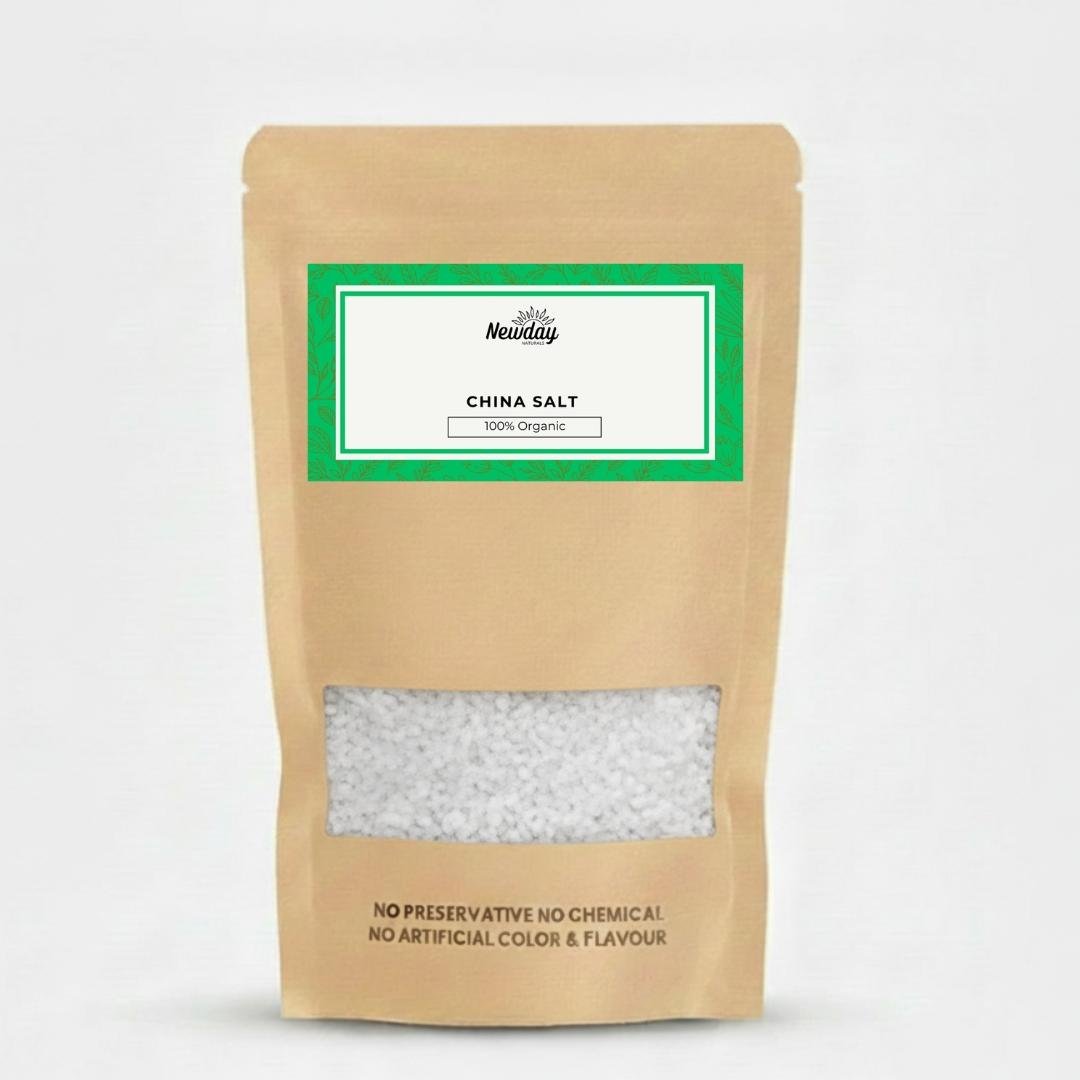
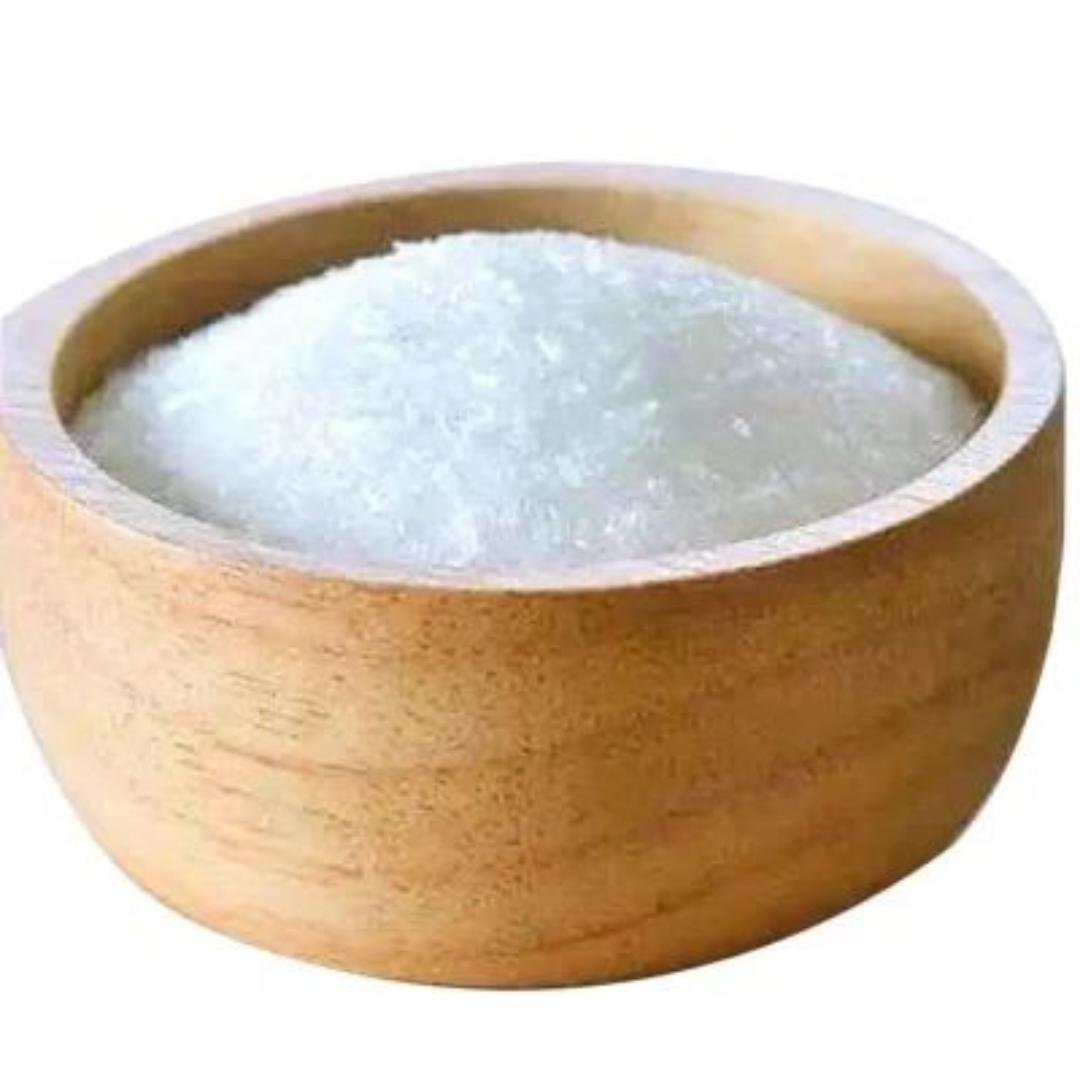
Master the taste of Umami! Our MSG (Food-Grade) helps intensify the natural flavors in soups, stir-fries, and gravies. High-purity, food-safe, and consistently delivered for your culinary needs. Shop now.
SKU:NDN-2443-GJZN
Categories:Herbs & Spices
China Salt is a common, informal term used for Monosodium Glutamate (MSG). It is a flavor enhancer widely used in Asian cuisine and many processed foods to provide the savory, "meaty" taste known as umami.
It is chemically a sodium salt of glutamic acid, an amino acid that occurs naturally in many foods, such as tomatoes, Parmesan cheese, mushrooms, and seaweed.
Flavor Profile: It does not taste salty on its own. Instead, it "amplifies" the savory characteristics of other ingredients, making flavors seem richer, deeper, and more satisfying.
Flavor Booster: Primarily used in stir-fries, soups, broths, and sauces. It is famous for giving restaurant-style Chinese food its distinct savory punch.
For decades, there has been a stigma surrounding MSG, often referred to as "Chinese Restaurant Syndrome."
Your email address will not be published. Required fields are marked *
Please login to write review!
Looks like there are no reviews yet.
AED22 AED25
AED30 AED35
AED35 AED38
AED15 AED20
AED9 AED12
AED12 AED14
AED5 AED7